
Recommendations for Installation and Setup of Conveyor Belt Weighing Systems
10 Rules to Ensure Proper Performance and High Accuracy
Conveyor Belt Weighing — System Overview
How to Install Conveyor Belt Weighing Systems
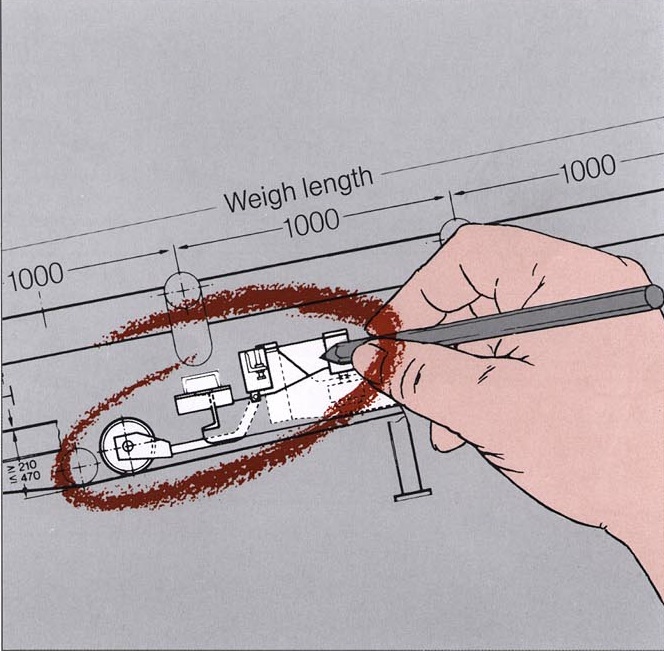
The images below describe a number of suitable locations for installing weighing systems on various conveyor belts and indicate the effect of the installation location on the weighing zone.

Suitable positions for installing the weighing system on the conveyor belt
🔍 Important Note
Choosing the right location for installing the weighing system on the conveyor belt has a direct impact on measurement accuracy. The installation site must be away from vibrations, impact, and sudden changes in material flow.
10 Golden Rules for Conveyor Belt Weighing
- 1 The installation location should be in the middle section of the conveyor belt, away from loading and discharge points.
- 2 The conveyor belt must be completely straight and free of bends at the weighing location.
- 3 Avoid installing the system near drive pulleys and idler rollers.
- 4 The weighing system must be installed on a structure that is independent and separate from other equipment.
- 5 The system must be calibrated using standard test weights.
- 6 The conveyor belt speed must be constant and stable during weighing.
- 7 The conveyor belt must be completely clean and free of adhered material at the weighing location.
- 8 The weighing system must be protected from external vibrations and impacts.
- 9 Load cell connection cables must be routed through separate pathways, away from power cables.
- 10 The weighing system must be calibrated periodically (at least once every 3 months).
🔗 For expert consultation and more information about conveyor belt weighing systems, contact Kian Industry experts.
Contact Us